The Green Hills of Earth part 2
After embarrassing himsxelf over Earth’s elevation in Apollo 17 photos, Straydog then turns his razor sharp AI to the Earth itself. He posts links to other ‘studies’ claiming that Earth was pasted in to the scene, and where there are blocky jpeg artefacts in around Earth. Nothing he says is original.
The ‘research’ he’s basing it on is Jack White, a self proclaimed photographic expert who somehow managed to get himself on the committee investigating the assassination of JFK. Much of his testimony is of his examining photographs until he decided he’d found what he was looking for. The most telling moment of it is when he revealed he had no idea what “photogrammetry” is.
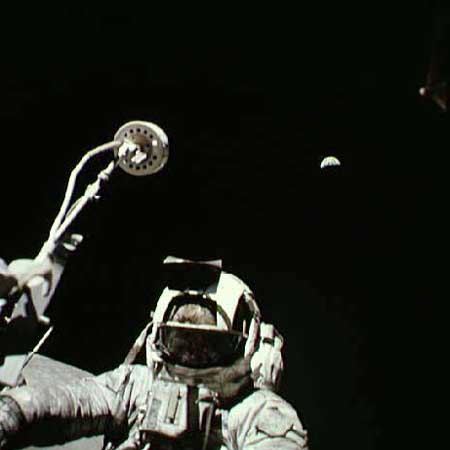
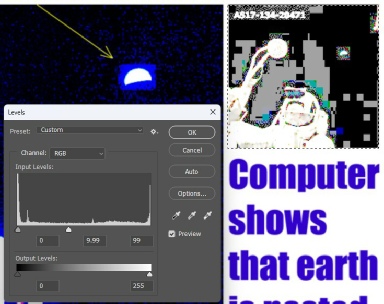
His analysis of the Earth in the Apollo 17 photo concerned, as reported on the aulis website says this:
"Gradual removal of hues comprising black revealed that the black around the earth did not match the black in the host photo."
He gives no indication as to the source of his photograph, or how he went about ‘removing hues’. We have no idea if he was using an original photo, a scan of an original photo, or a reproduction of a scan of the original that may have had retouching work done by someone unrelated to NASA. It’s “trust me bro”. Again.
In fact, much of his ‘work’ seems to revolve around looking at low resolution scans and bitching when better quality ones come along.
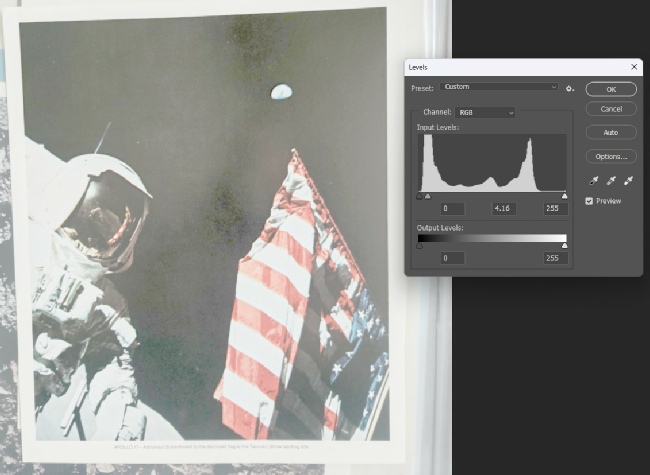
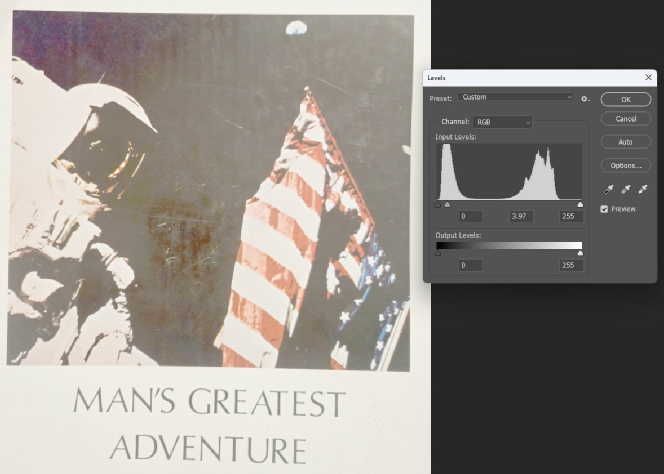
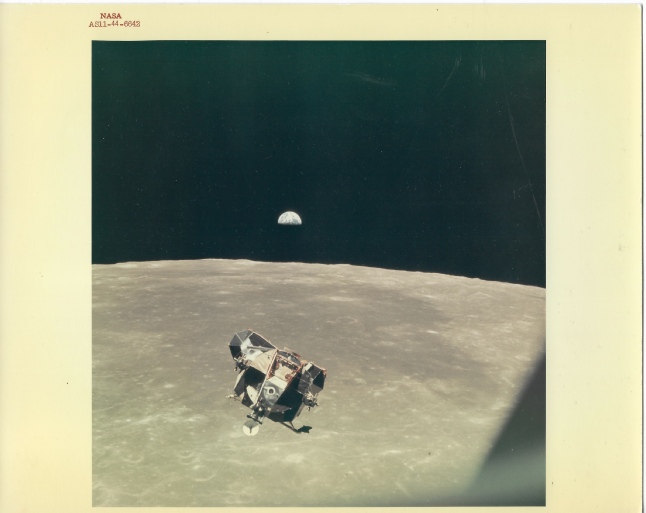
Those square boxes that he manages to somehow create are nowhere to be seen on the contemporary physical copies, like these from my collection.
It turns out that trying to recreate the effect that Jack found is quite hard. There are some very obviously low resolution versions of the image around if you trawl through the wayback machine, like the ones below from the Lunar Planetary Institutes old ‘Apollo Image Atlas’, and the Gateway to Astronaut Photography’s low resolution version.
Nor is this claim by straydog true:
“The high-
As shown here using March to the Moon and Flickr archive scans.
All we have here is someone trying to make a scanned image look like the original, and introducing artefacts into the image in the process. That’s all it is. Anything else is just projection of your bias.
The originals can’t have been digitally altered -
Stray’s AI sources claim that the Earth in the photos are from a “high-
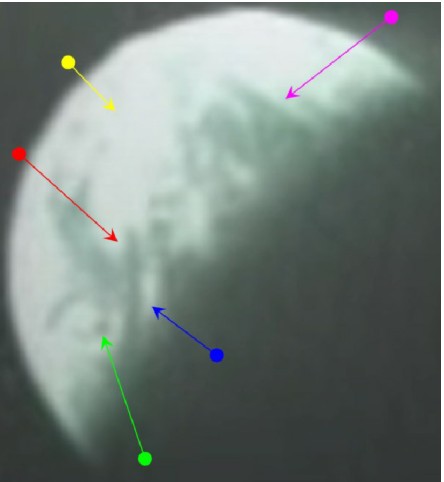
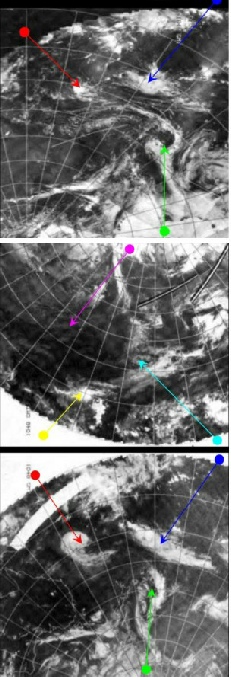
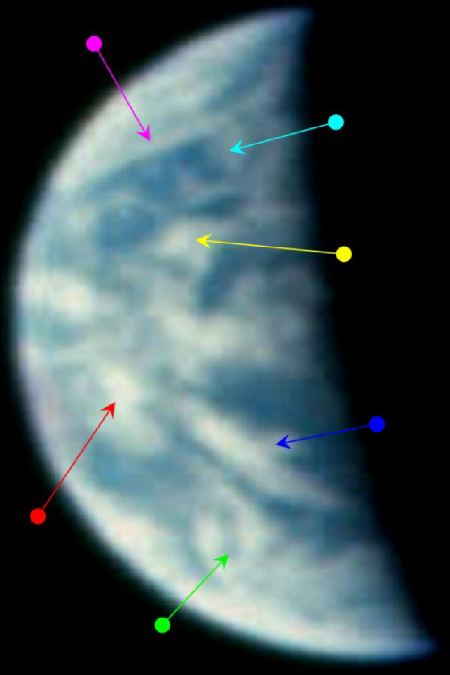
Geostationary satellites could give a whole Earth, but that view is static and therefore can’t show changes over time that the Apollo photographic and live TV record show. There were also no colour satellites in operation at the time. The views of Earth also show meteorologically accurate views that can only have been taken at the time of the mission. In the photo White uses, we can confirm the satellite record, and it’s also matched by a live TV view taken a short while later (as evidenced by the movement of weather systems towards the equator).
Too long didn’t read?
Someone too lazy to do their own maths asks leading questions of AI to try and make 2+2=5. Anyone insisting that 2+2=4 doesn’t understand maths, or is using the wrong version of 2.
The fact is that one man’s subjective recall of how Earth appeared in the sky is being twisted to suit someone else’s agenda. No amount of insisting that black is white is going to make the incorrect ramblings of AI software into an adequate substitute for actually knowing what you’re talking about. Gaslighting people by saying they are using software incorrectly when it’s very obvious that you have never used it yourself is not going to prove anything. Doing the actual work yourself instead of believing what you’ve convinced AI to tell you is the only way you’ll realise that you’re wrong.
The position of Earth in the lunar sky in Apollo 17 photographs and live TV is exactly correct. The best that stray can claim is that Cernan’s recall is imperfect, and/or that his personal definition of “close to the horizon” doesn’t fall within what he’s decided counts as “close”. As straydog02 himself says:
“When you are debating the validity of the mission and the authenticity of the photos, the only number that matters is the geometric elevation above the true lunar horizon.”
That figure is 45 degrees -
Stray continues his ‘analysis’ of Apollo photographs by looking at AS17-
Just adjusting the levels doesn’t work on those -
In fact if you look carefully you can even see the jpeg compression artefacts on the low resolution originals without any work on them!
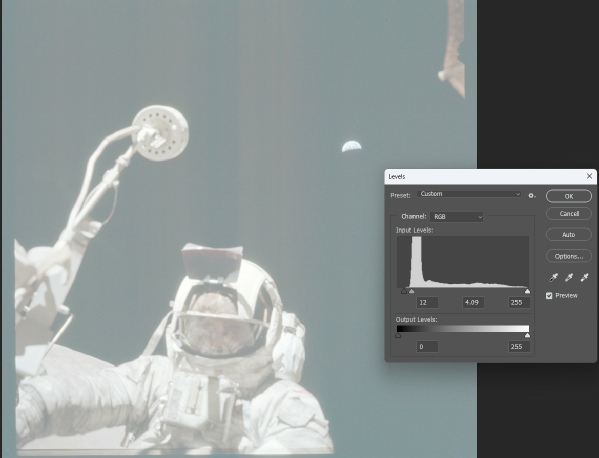
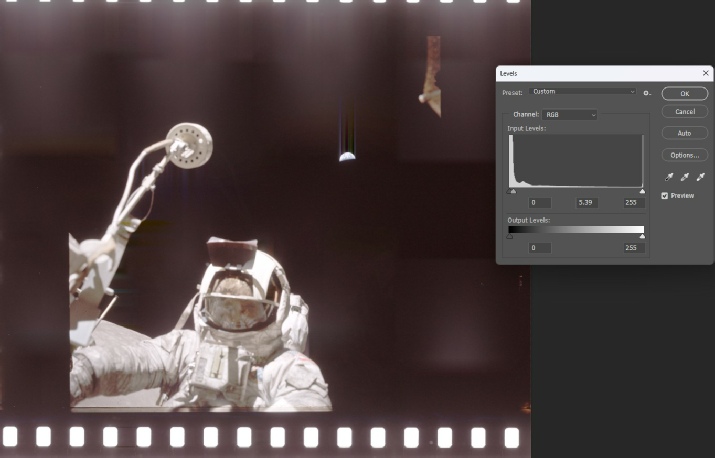
To get it just right, you need to follow the process as it’s likely to have been with an an early generation scanner and image editor. The four images below follow the sequence. The high resolution version from the ‘Gateway to astronaut photography’ is top left. Scanning adds a lot of colour detail that isn’t there because it’s light reflecting off a glossy photograph. The next step is to remove the colour that this has added (top right). Hmm -
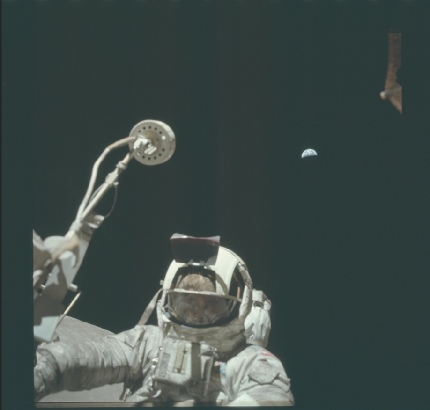
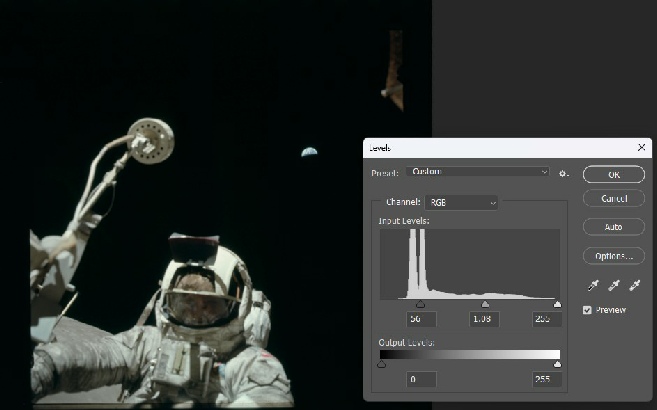
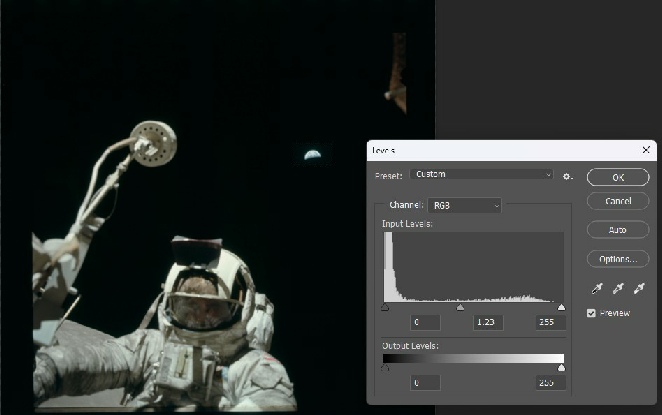
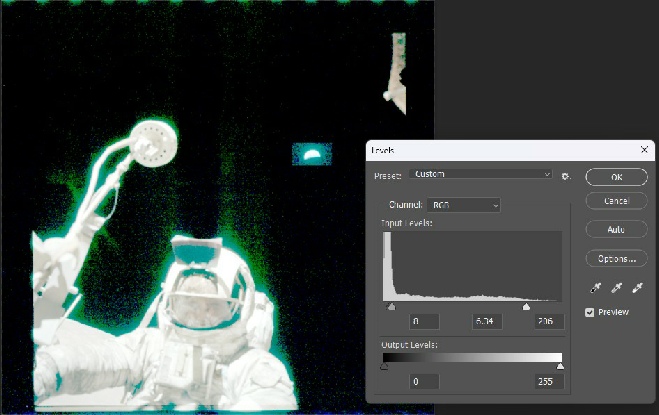
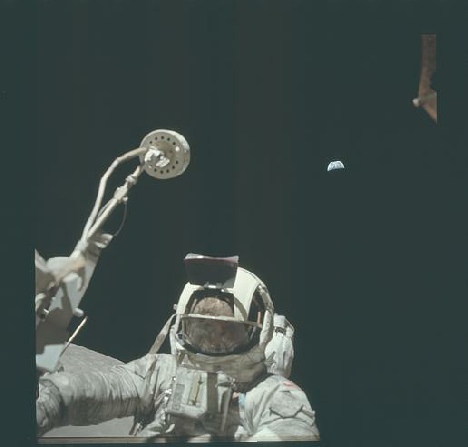
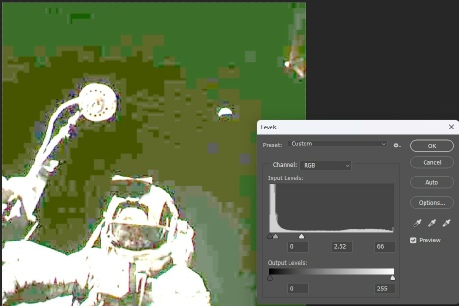
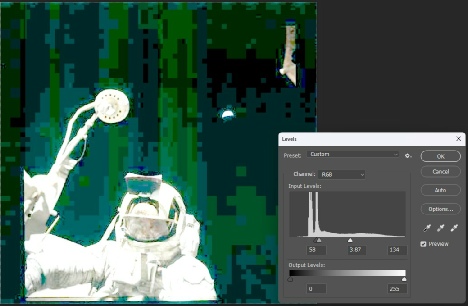
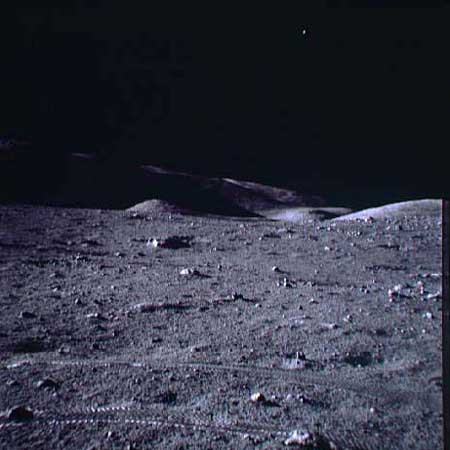

I’ve also done my ‘analysis’ of that same photo, and yep, if you use a shitty source you get a shitty result.
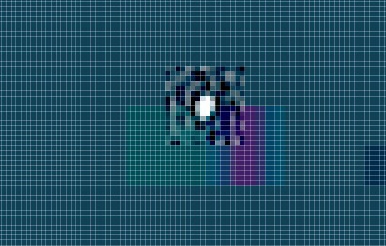
And it absolutely is jpeg compression, you utter dipshit. Here’s the same area from the flickr (below left) and march to the moon (below right) versions.
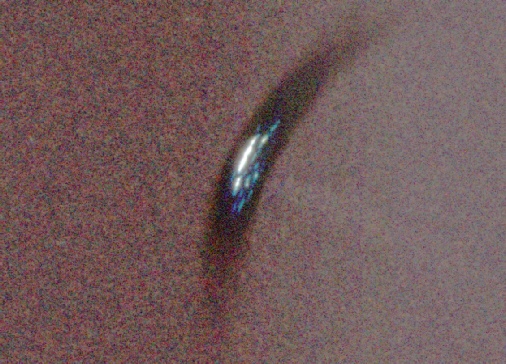
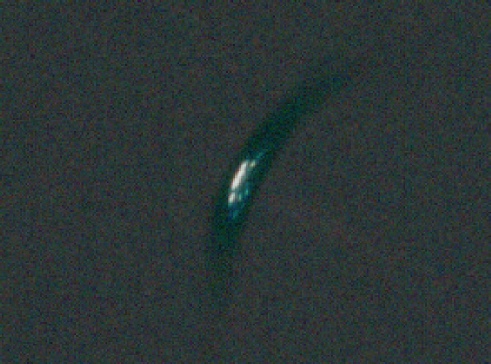
He dutifully asks a variety of AI packages if the dot in the photo is Earth. They reply that it is. They are wrong. It is not. It is, as his nemesis Jenny points out (and well done Jenny trying to educate this idiot, your efforts are appreciated), a fault with the film. It appears on neither of the adjacent images of the panorama of which it is a part. You can, however, see a remnant of it in the next image on the roll, AS17-
Despite Stray claiming:
“That white dot showed up in another photo in that series and is exactly where NASA claimed the earth would be, so it was a pasted in "earth", not a defect.”
It is the wrong size, altitude and location (172 degrees from north rather than 238) to be Earth, therefore it is not. He doesn’t say where NASA ‘claims the Earth would be’, in fact the crew referenfce it as being above the South Massif several times:
118:07:49 Cernan Okay, here we go. Coming up. I've got the TV camera in my hand, Bob. Oh man. Hey, Jack, just stop. You owe yourself 30 seconds to look up over the South Massif and look at the Earth.
And the final surface procedures document that Straydog himself has quoted clearly puts earth at between 238 and 240 degrees from north.
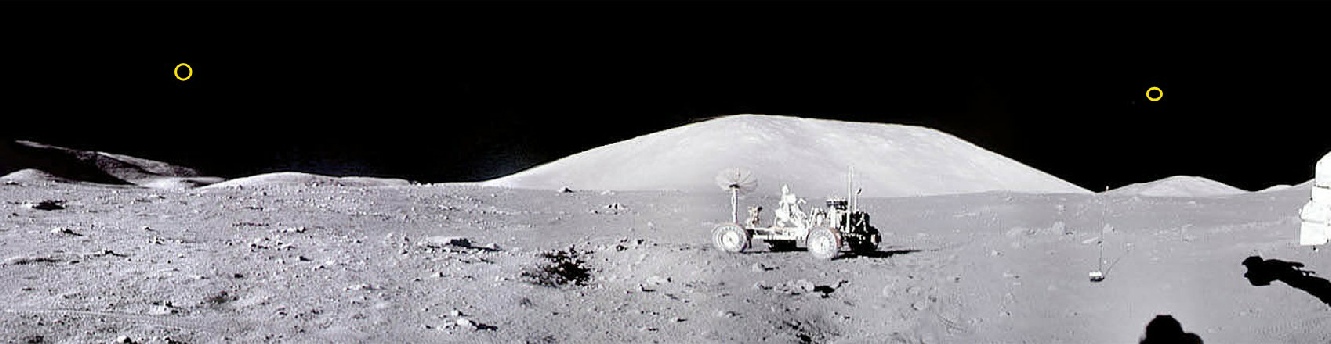
Neither of those dots are above the South Massif, and that certainly isn’t where any of the live TV broadcasts show it to be.This panorama, featuring all of the images discussed above, shows roughly where those blemishes appear.
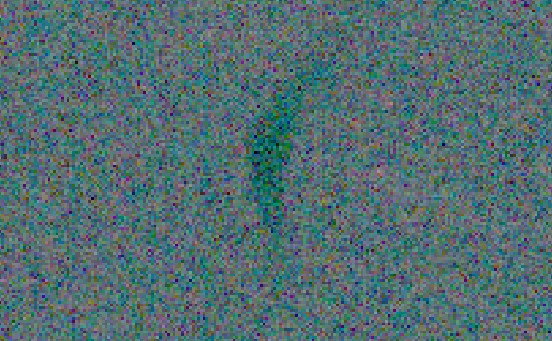
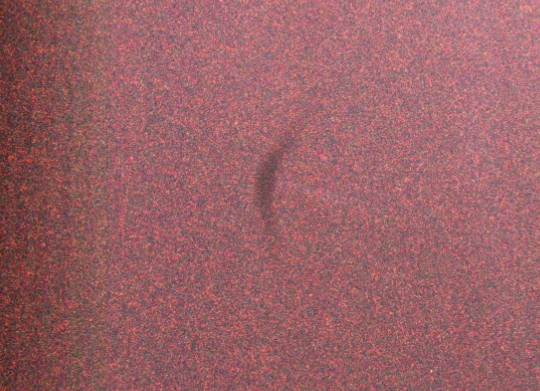
This second blemish is in a photograph where the landscape has shifted left (as the photographer pans right), but the blemish has moved slightly to the right!
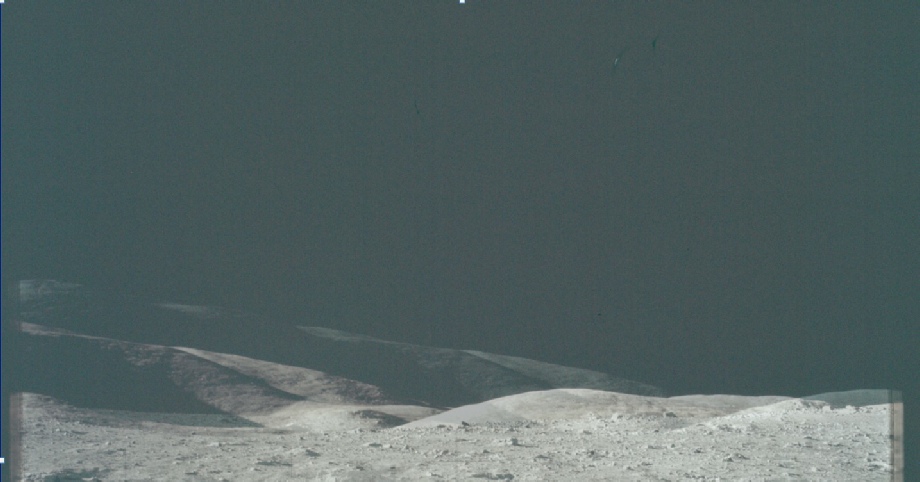
There is a hint in the arcuate shape of the blemish and of a streak leading in from it that might be some kind of lens flare. Later in the magazine we have two photographs looking in the opposite direction, AS17-
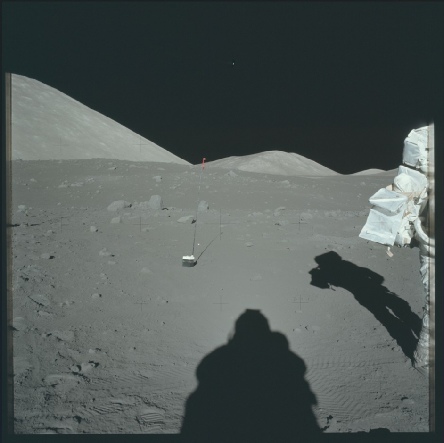
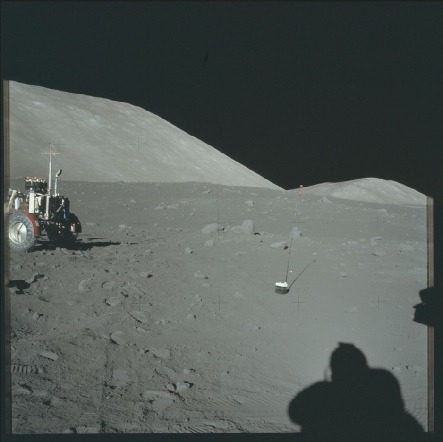
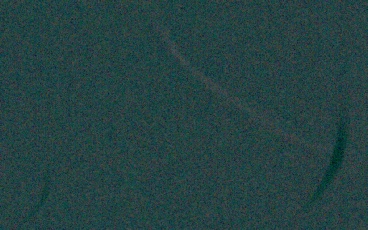
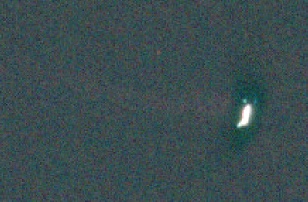
So no.
Both dots, however, do seem to be related to the camera lens -
Stray makes similar claims (or, again, regurgitates unquestioningly the claims of others) about some Apollo 11 photos, starting with this one.
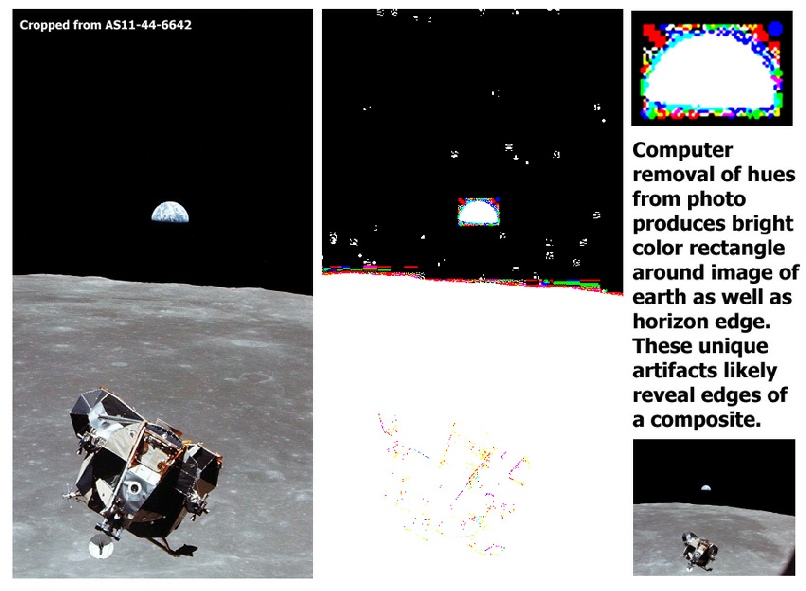
Once again we have no source for the Jack White’s original, but I think we can put money on it being a poor resolution version. Better quality versions, including ones that appeared in print at the time, show now such artefacts, and despite his protestations to the contrary it very much is jpeg compression. I have three contemporary hard copies of photographs from that sequence, one on ‘red label’ NASA issue, one a reprint on a fabric background from a private company, and one a slide issued as part of a set by a UK newspaper.
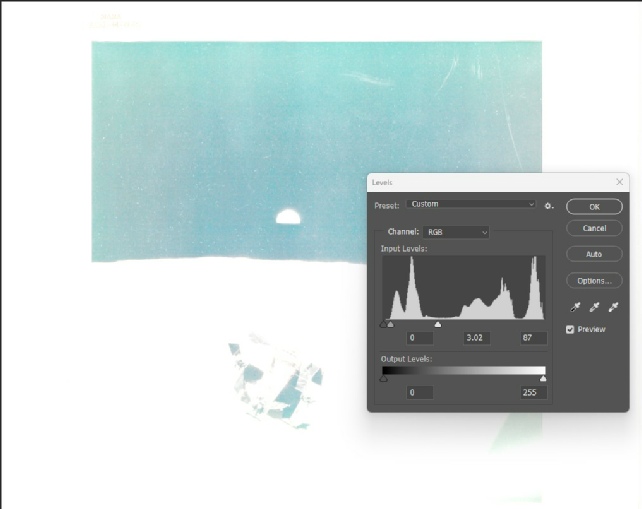
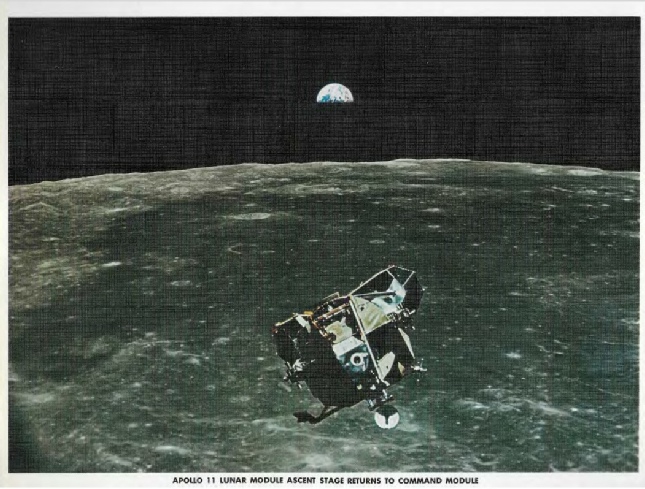
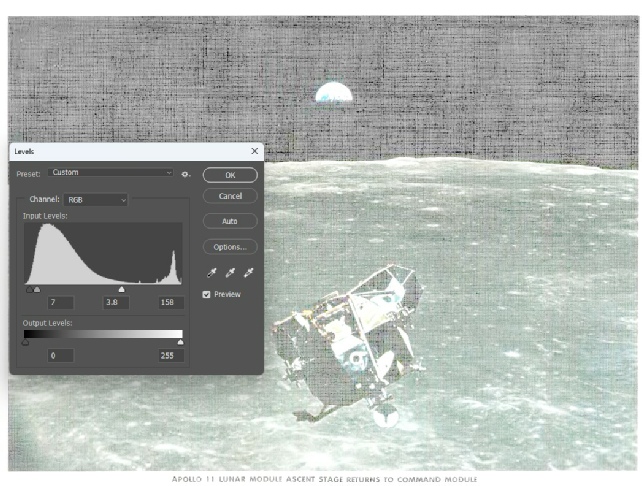
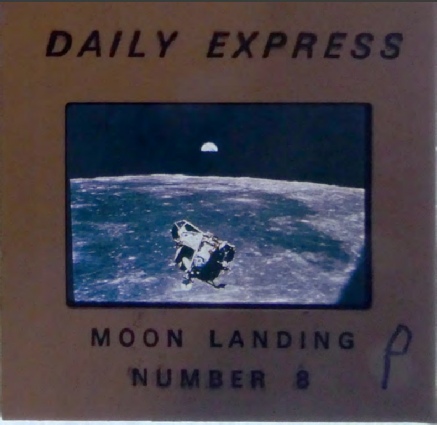
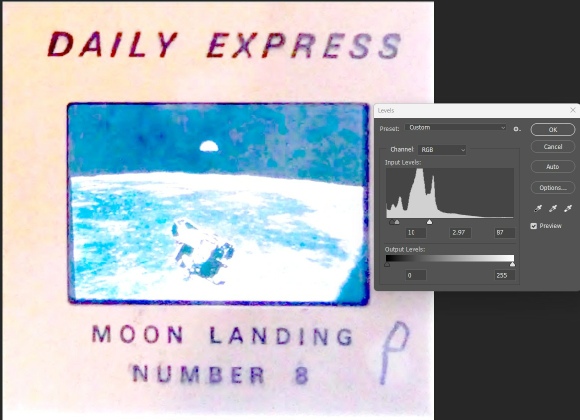
It’s only when you use poor resolution scans that you get the issue.
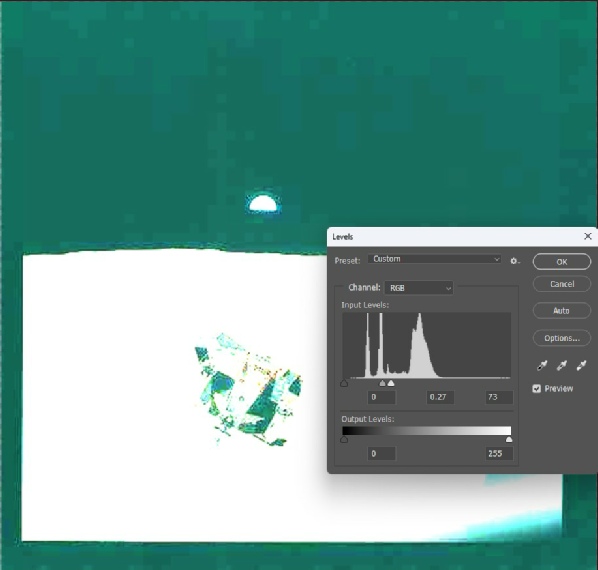
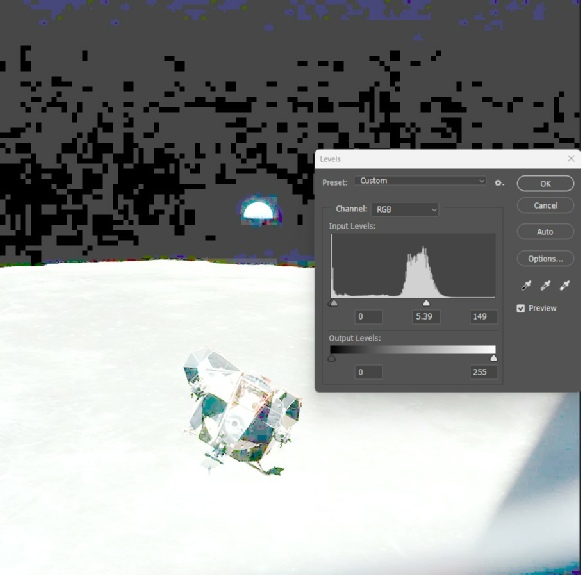
And, yet again, we have the simple fact that those photographs of Earth contain verifiable meteorological fingerprints that thy were taken exactly when claimed (as well as Earth appearing in 16mm footage filmed at the time the photographs were taken -
He also makes a big deal over an error in recording when one set of orbital photographs were taken, as ‘analysed’ here. If you don’t want your IQ lowering by reading that page, Australia is visible in an earlier photographic sequence when the recorded time of it being taken says it shouldn’t be. The simple explanation is that someone made a mistake, and the photos were taken at a different time -
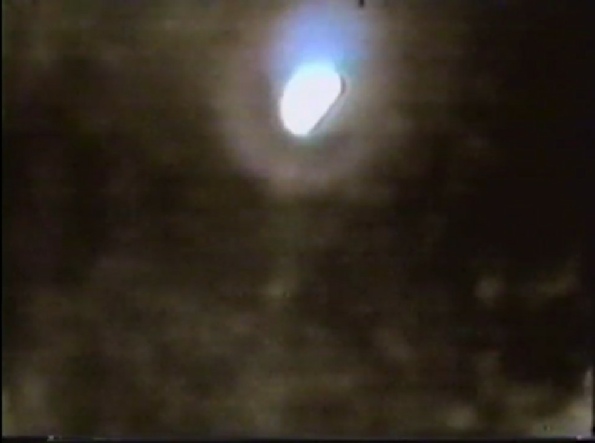
He applies the same error in that article about Apollo 11 surface photographs to Apollo 17 TV footage. The claim is that a ‘glow’ around the lunar module when you grossly adjust light levels is somehow evidence of atmosphere, when in reality it’s very obviously light reflecting off a bright surface interacting with a dust covered glass lens. You can literally see the light interact with the lens as it focuses in the video as it resolves from the out of focus image below left to the in focus one below right.
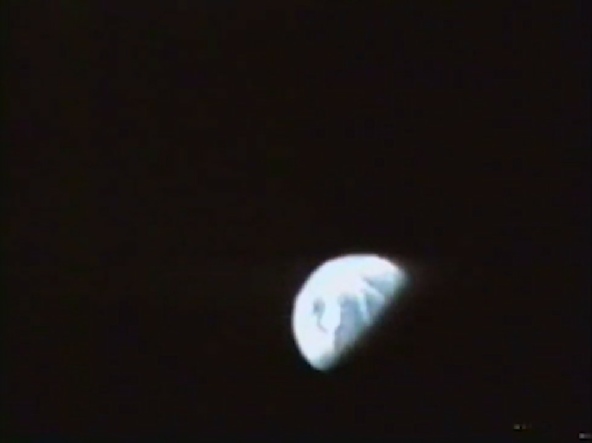
An in focus image that is, yet again, meteorologically accurate, as discussed here.
There is absolutely nothing in these analyses of photographs of Earth that can’t be explained poor resolution copies and confirmation bias. The only way those images could have been taken, filmed and broadcast is because they were on the moon.
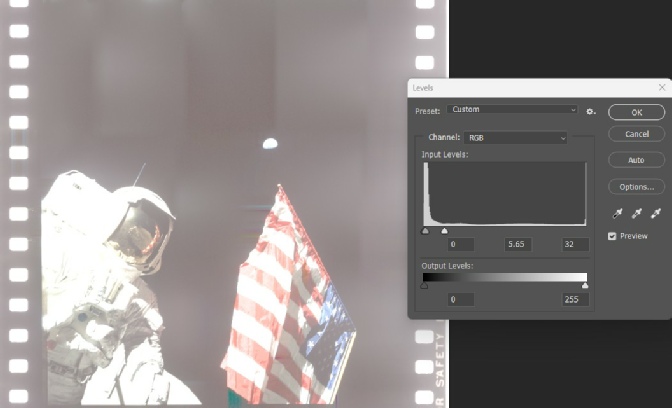
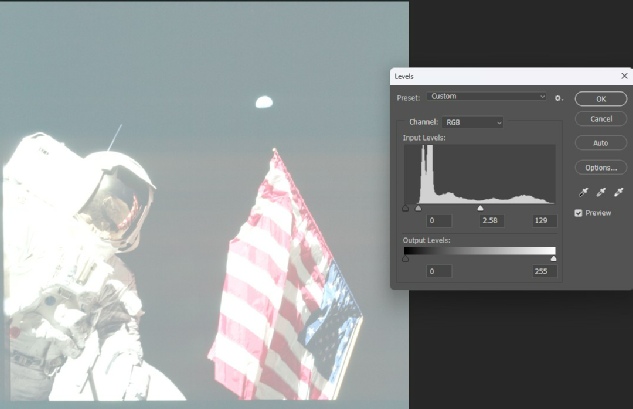
Stray cites this image in a post that quotes this article (an article actually retracted by the journal that published it because of its lack of academic rigour), which looks at what it claims is evidence of this image being a composite.
The article uses an image that is obviously lower quality, and equally obviously has had some kind of cleaning up done.
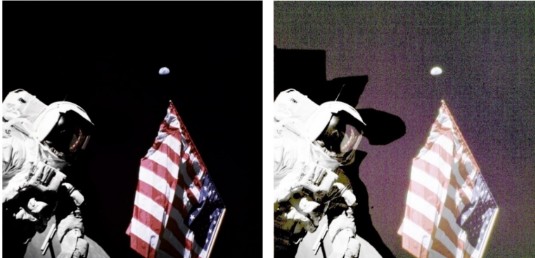
As seen above though, the earlier non-
This just isn’t true, because the photograph matches satellite photographs that could only have been taken after the mission, and the timestamps they use are incorrect. Stray uses this “proof” of compositing as a way of justifying his assertion that Earth is in the wrong place (it isn’t).
The other images he looks at are, likewise, old-