Smoking Gun #8 -
In this sequence, Rasa gets all puzzled over the “small, faraway” paradox, with a healthy dose of “gee it looks kinda funny”.
He starts this segment by dishing put some measurements, so we should check those out first.
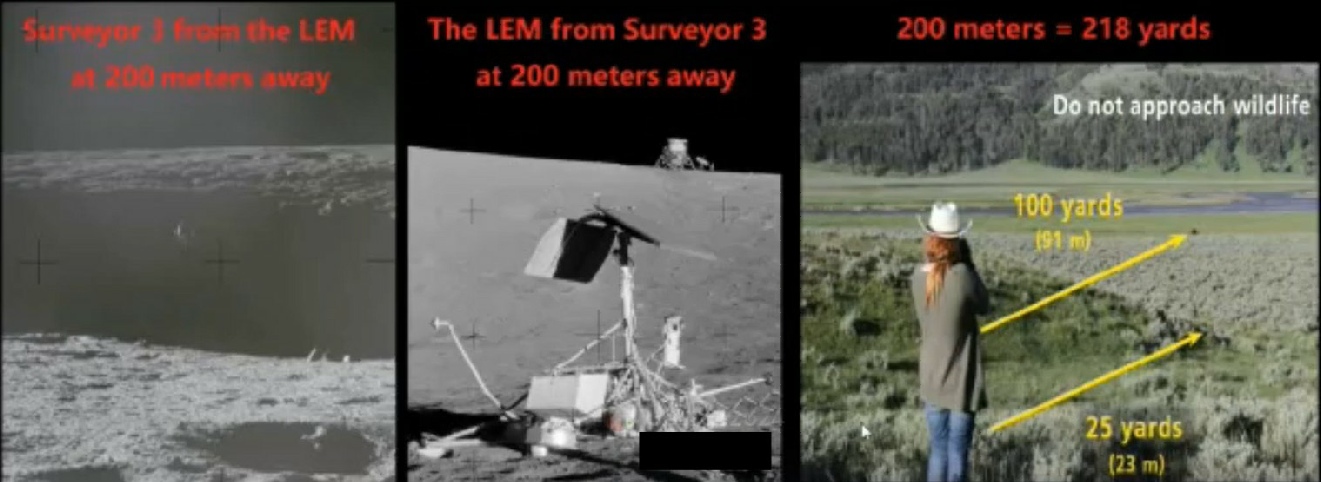
The image on the right is one that has been used as a warning to tourists to keep a healthy distance from wildlife. To be clear, he isn’t the one suggesting that the distance involved here is 100 yards, it’s the various wildlife services that have used it. Is the 100 yard figure accuate?
Rasa didn’t check that one, but I did. It turns out that the image concerned is originally this one (below left). A bit of searching finds it’s the Lamar valley in Yellowstone, and it doesn’t take long to find roughly the location from which the photograph was taken.
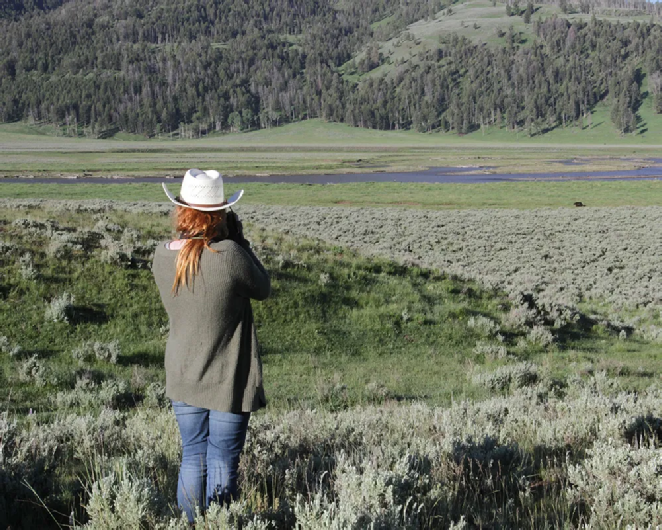
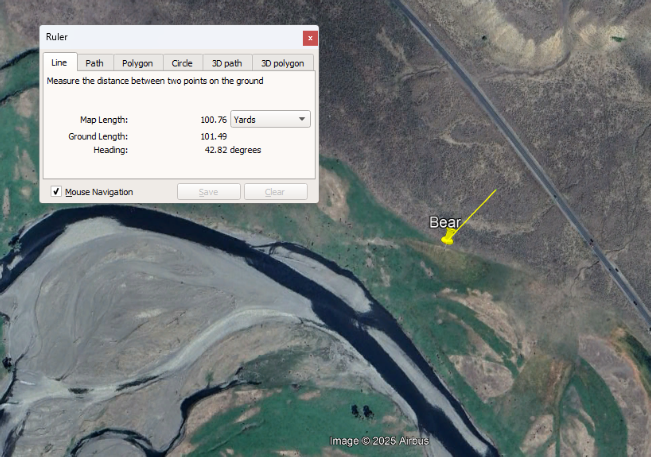
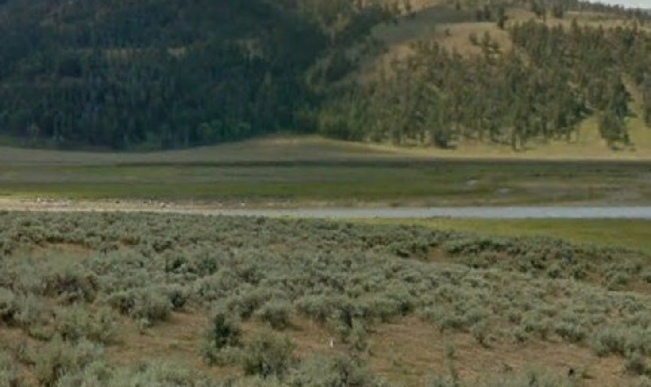
The odds are that the woman taking the photo did so from the road, which would be more like 150 yards away from the bear, but 100 yards would also not be impossible.
It’s not, by the way, a buffalo, as Rasa claims, it’s a grizzly bear.
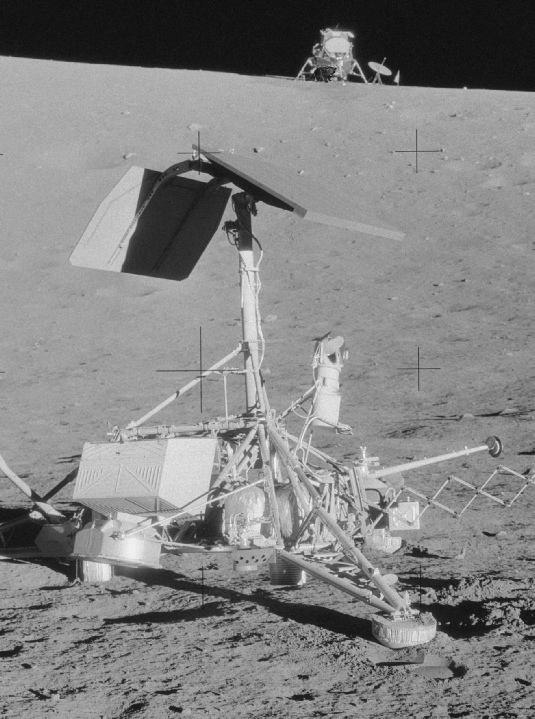
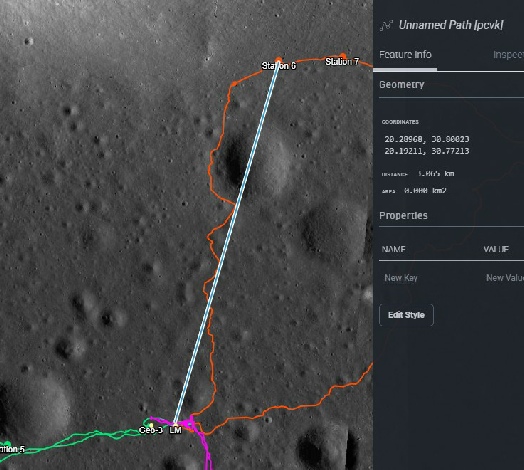
Rasa’s other claim is that Surveyor crater is 200m wide, and therefore the two photos he picks on show the surveyor and LM roughly 200m apart, “maybe a little less”, so let’s see how that works out. Here are the measurements as supplied by the LRO’s site:
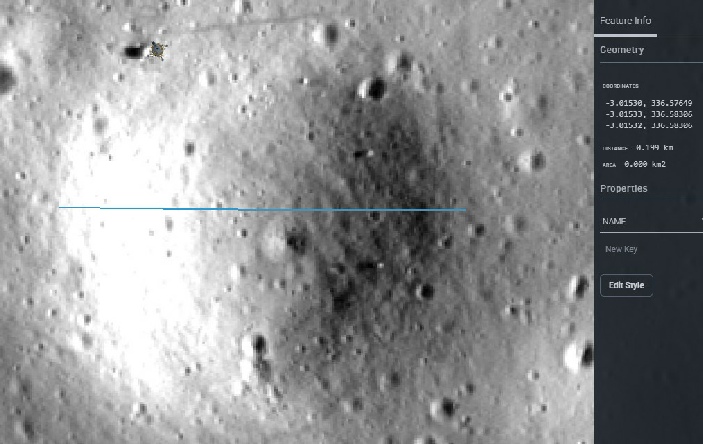
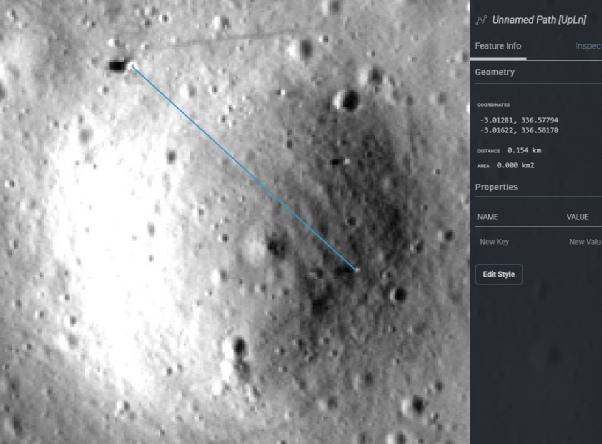
So it turns out that the crater is indeed around 200m wide, at its maximum, but the Surveyor 3 probe is only 154m or so away as the crow flies. That’s significantly nearer than Rasa is claiming. Oh, and just because they’ll whine about it, it doesn’t matter which probe looks at them. Chinese, Indian and Korean views show the two craft in exactly the same place.
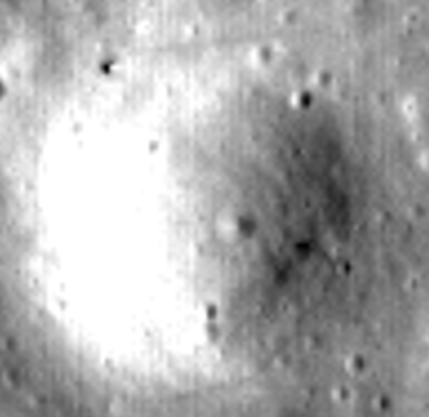
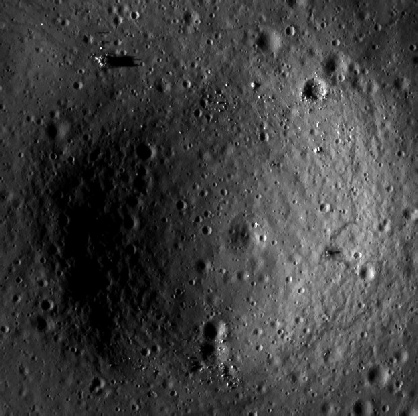
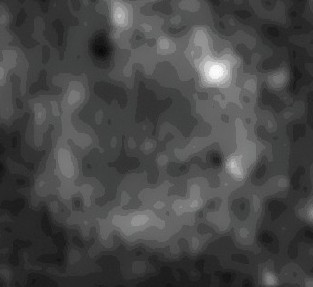
Rasa’s fanboy in the video says, with a degree of entirely misplaced conviction, that it looks about 40 yards away. He doesn’t say how he’s worked that out, but we can use the models available in the LRO to see what it would look like.
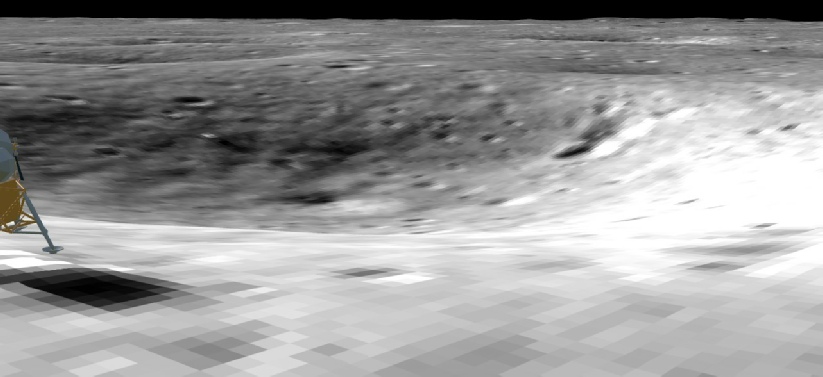
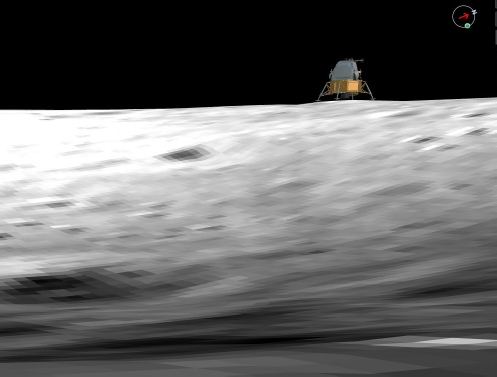
Hmm. They look very much like the photos. Odd that. Almost as if they’re showing exactly what should be shown.
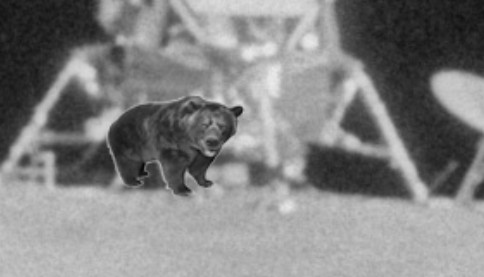
We can even see what a grizzly bear might look like, given that are roughly 2m long, or half the width of the descent stage (not including the legs).
Allowing for different lenses and so on, it’s not a bad match for the photo of the bear.
There follows a whole bunch of guff where he looks at firing ranges with measures distances and so on, but no amount of nonsense will detract from the fact that the basic premise of his argument is wrong: the distance to the LM surveyor is calculated incorrectly, and has not bothered to verify what it should look like -
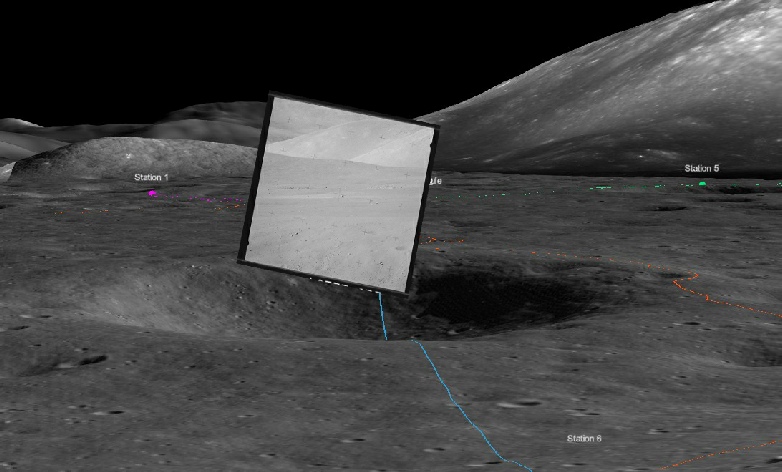
The view above is one created by the LRO site’s modelling capability, but you can choose any probe you like and recreate the view. It’s accurate. Superimposing the actual photo allows you to see how much Schmitt has zoomed in with the big lens.
Gene Cernan captured the LM from Station 6, and you can see how much the 500mm lens has zoomed in.
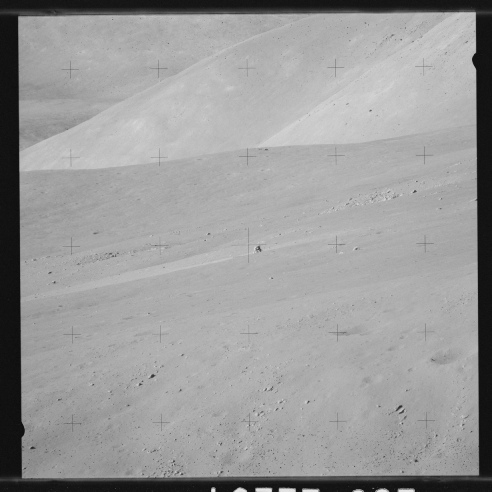
He moves on to this image from Apollo 17. It was taken from station 6, and the LM is indeed just over 3km away.
The only question here is whether a 7m high object would like that through a 500mm lens from 3km away. Rasa presents nothing but personal incredulity to suggest that it would not. He says it is “at a maximum” 200 yards -
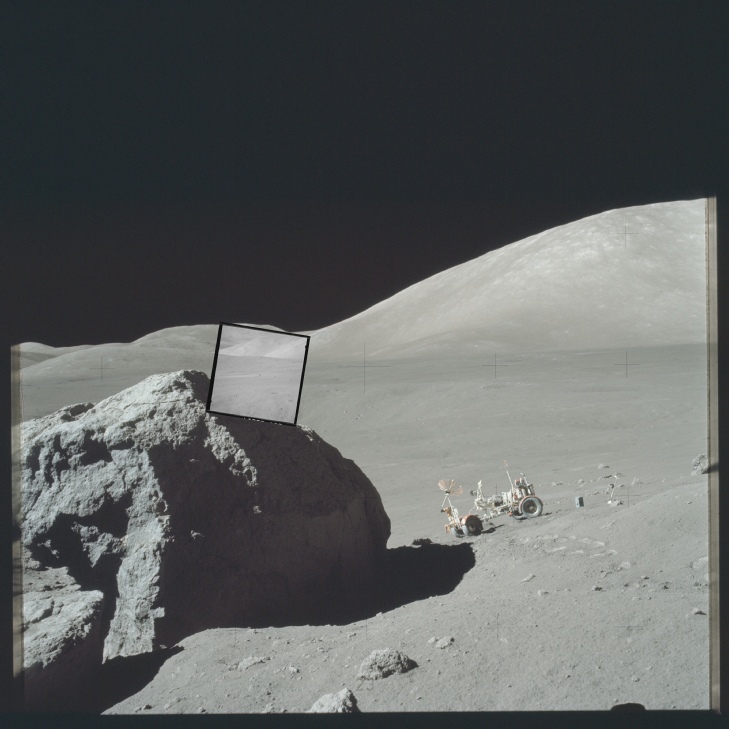
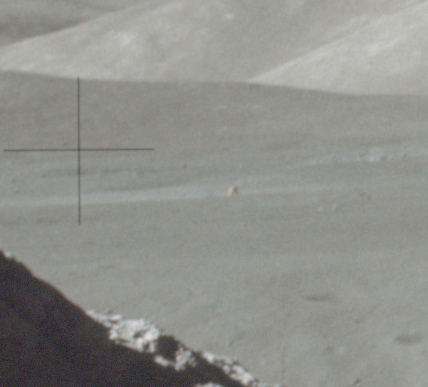
Still think it doesn’t look far away?
You could maybe look at magazine 141, the bulk of which covers the drive to Station 6 from the LRV’s front seat. When The camera looks back at the LM, we again get to see it in shot.
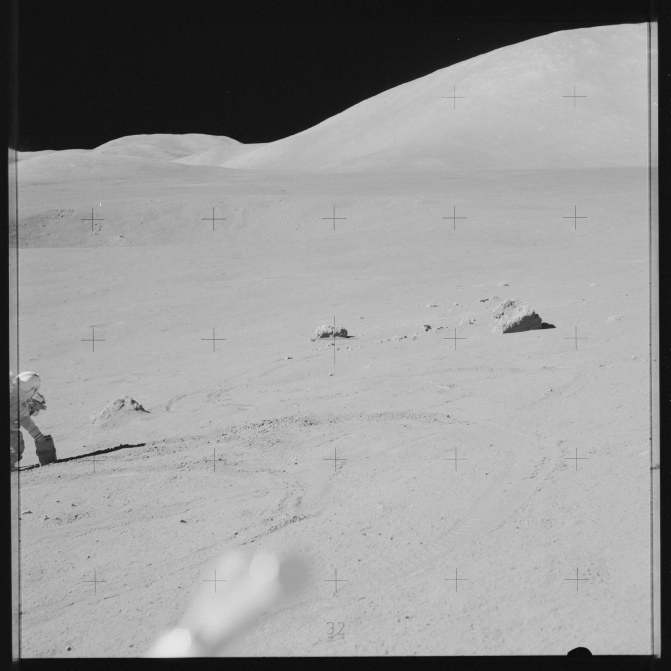
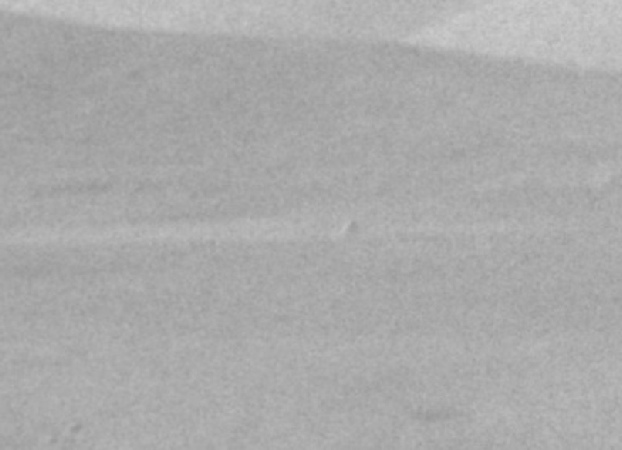
You can even see the LM in this view from station 7, but notice that the scenery shows parallax in comparison to the station 6.
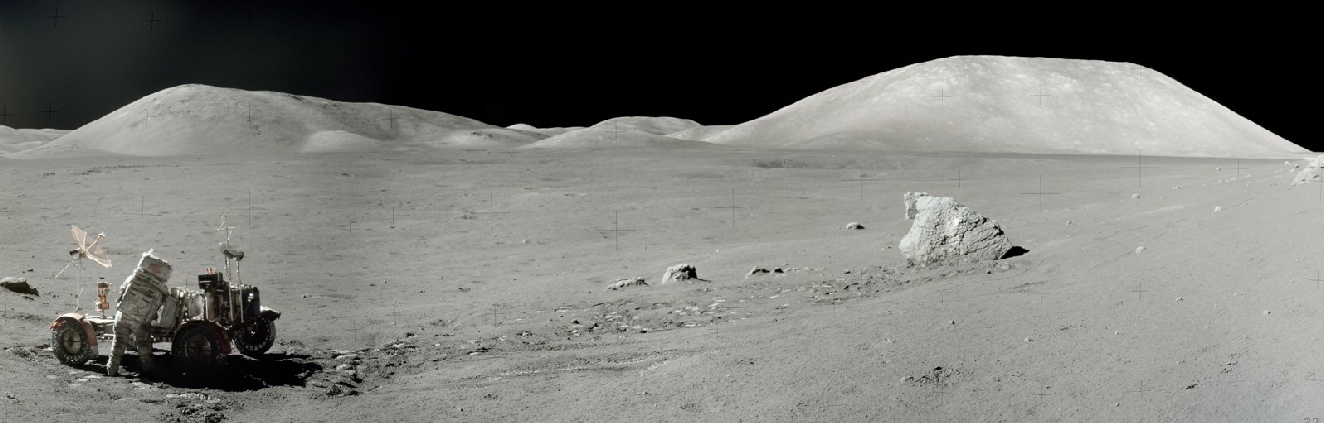
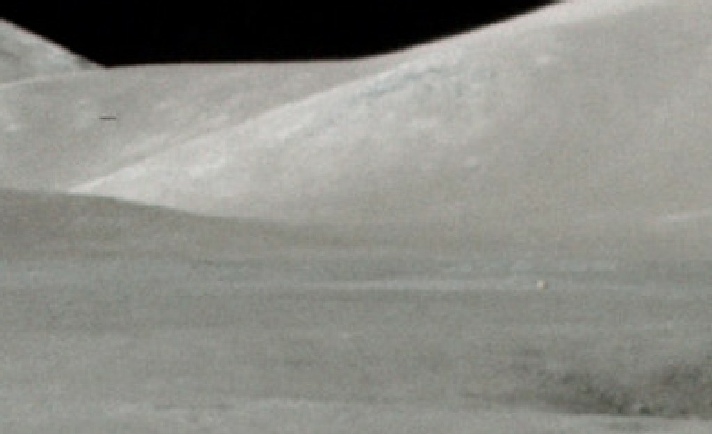
So you can’t claim it’s some sort of backdrop either,